
The global curtain manufacturing industry is a multi-billion dollar sector that spans across continents, with several countries emerging as dominant players. Understanding which countries lead in curtain production can provide valuable insights for businesses, designers, and consumers looking to source high-quality products at competitive prices. In this comprehensive guide, we'll explore the top curtain manufacturing countries, their production capabilities, industry strengths, and the factors that contribute to their success in the global market.
The Global Curtain Manufacturing Landscape
The curtain manufacturing industry is deeply interconnected with the global textile sector, which produces over 100 million tons of fiber annually. Curtains, as a specialized textile product, require a combination of skilled labor, advanced machinery, and access to raw materials. While many countries produce curtains to some extent, a few nations have established themselves as global leaders due to their competitive advantages in these areas.
According to recent industry reports, the global curtain market is valued at approximately $38 billion and is projected to grow at a CAGR of 4.5% over the next five years. This growth is driven by increasing construction activities, rising disposable incomes, and growing consumer awareness about energy-efficient window treatments. As the market expands, the leading curtain manufacturing countries continue to invest in technology and innovation to maintain their competitive edge.
1. China: The Global Leader in Curtain Manufacturing
Undoubtedly, China is the world's largest manufacturer of curtains, accounting for over 40% of global production. The country's dominance in the curtain industry can be attributed to several key factors:
Massive Production Capacity
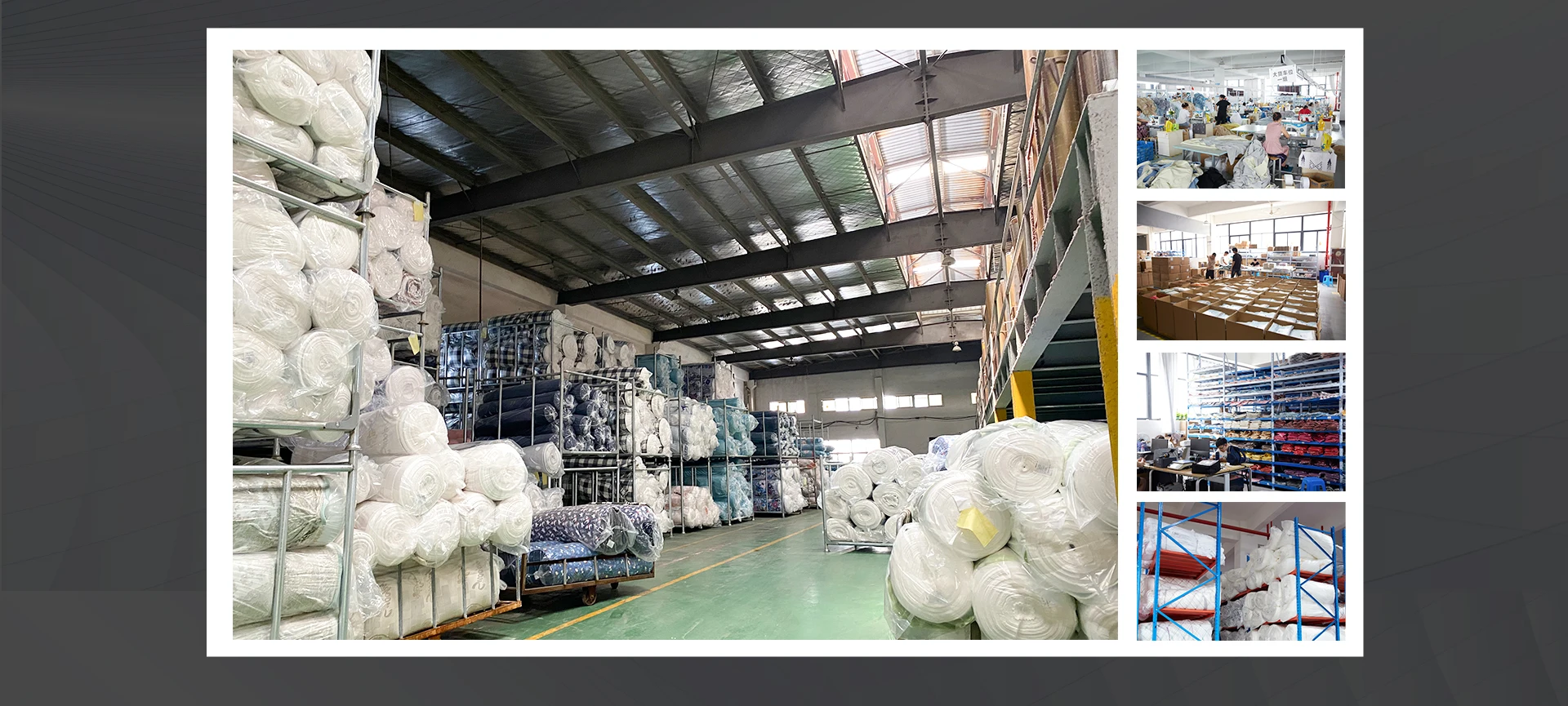
China has an extensive network of textile factories, many of which are specialized in curtain production. These facilities range from small family-owned businesses to large-scale industrial complexes capable of producing millions of curtains annually. The sheer scale of production allows Chinese manufacturers to offer competitive pricing while maintaining consistent quality.
Access to Raw Materials
China is the world's largest producer of synthetic fibers, including polyester, which is the most commonly used material for curtains. This vertical integration from raw material production to finished product allows Chinese manufacturers to control costs and ensure a steady supply of high-quality materials.
Skilled Labor Force
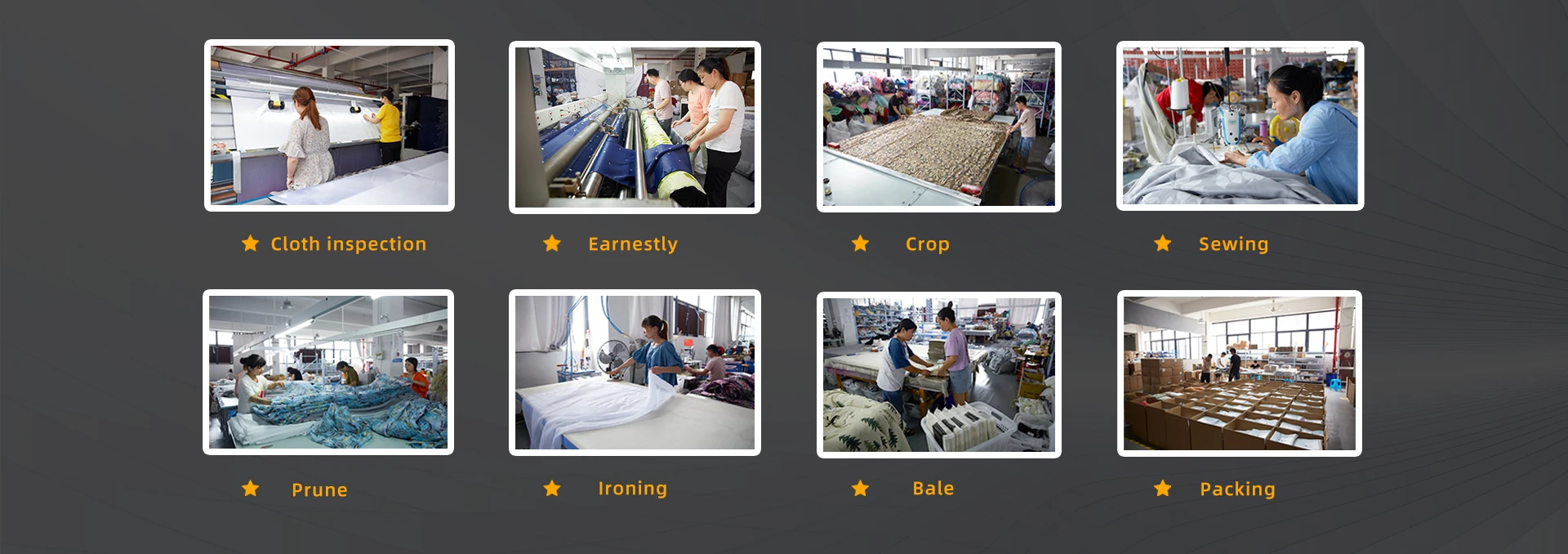
China has a large pool of skilled textile workers with years of experience in curtain manufacturing. Many workers have specialized skills in areas such as cutting, sewing, printing, and quality control, which contribute to the production of high-quality curtains.
Advanced Manufacturing Technology
Chinese curtain manufacturers have invested heavily in advanced machinery and technology, including automated cutting systems, digital printing equipment, and computerized sewing machines. This technology allows for greater precision, faster production times, and the ability to produce complex designs at scale.
Export-Oriented Economy
China's economy has long been focused on exports, and the curtain industry is no exception. Many Chinese manufacturers have extensive experience exporting to global markets, including the United States, Europe, and Southeast Asia. They understand international quality standards and have established efficient supply chains to deliver products worldwide.
Some of the major curtain manufacturing regions in China include Guangdong, Zhejiang, Jiangsu, and Shandong provinces. These regions have developed industrial clusters that support the curtain manufacturing ecosystem, including suppliers of raw materials, machinery, and packaging.
2. India: A Rising Star in Curtain Production
India is the second-largest manufacturer of curtains globally, with a market share of approximately 15%. The country's curtain industry has grown significantly in recent years, driven by its strengths in cotton production and skilled craftsmanship.
Cotton Expertise
India is the world's largest producer of cotton, which is a premium material for curtains. This natural advantage allows Indian manufacturers to produce high-quality cotton curtains at competitive prices. Many Indian curtain manufacturers specialize in traditional cotton designs, including block prints, embroidery, and handloom fabrics, which are popular in both domestic and international markets.
Skilled Craftsmanship
India has a rich heritage of textile craftsmanship, with many regions known for their specialized techniques. For example, curtains from Jaipur are famous for their vibrant block prints, while curtains from Varanasi are known for their intricate embroidery. This craftsmanship adds unique value to Indian curtains, making them highly sought after in luxury markets.
Cost-Effective Production
While India's labor costs are slightly higher than China's, they are still significantly lower than in Western countries. This cost advantage, combined with the country's cotton production capabilities, makes India an attractive destination for curtain manufacturing.
Government Support
The Indian government has implemented several initiatives to support the textile industry, including tax incentives, subsidies for technology adoption, and infrastructure development. These policies have helped boost the country's curtain manufacturing sector and attract foreign investment.
Key curtain manufacturing hubs in India include Gujarat, Maharashtra, Tamil Nadu, and Karnataka. These states have well-developed textile ecosystems and access to major ports for export.
3. Bangladesh: An Emerging Force in Curtain Manufacturing
Bangladesh has emerged as a significant player in the global curtain manufacturing industry, with a market share of approximately 8%. The country's growth in this sector can be attributed to its success in the broader textile industry, particularly in garment manufacturing.
Competitive Labor Costs
Bangladesh has one of the lowest labor costs in the world, making it an attractive destination for labor-intensive manufacturing industries like curtain production. This cost advantage allows Bangladeshi manufacturers to offer competitive pricing compared to other major producers.
Established Textile Infrastructure
Bangladesh has developed a robust textile infrastructure over the past few decades, primarily focused on garment manufacturing. This infrastructure, including spinning mills, weaving facilities, and dyeing units, has been adapted for curtain production, allowing the country to quickly scale its operations.
Export Experience
Bangladesh has extensive experience exporting textile products, particularly to the European Union and the United States. Many Bangladeshi manufacturers have established relationships with international buyers and understand global quality standards.
Government Incentives
The Bangladeshi government has implemented several incentives to promote textile exports, including tax breaks, duty-free imports of machinery, and special economic zones. These policies have helped attract investment in the curtain manufacturing sector.
The main curtain manufacturing regions in Bangladesh are Dhaka, Chittagong, and Narayanganj, which are home to numerous textile factories and export-oriented production facilities.
4. Vietnam: A Growing Player in Curtain Production
Vietnam has become an increasingly important manufacturer of curtains, with a market share of approximately 6%. The country's growth in this sector is driven by its strategic location, competitive costs, and improving manufacturing capabilities.
Strategic Location
Vietnam's proximity to China and other major Asian markets provides logistical advantages for curtain manufacturers. The country has developed modern ports and transportation infrastructure, making it easy to import raw materials and export finished products.
Competitive Costs
While Vietnam's labor costs are higher than Bangladesh's, they are still significantly lower than in Western countries. The country also has favorable tax policies for foreign investors, making it an attractive destination for curtain manufacturing.
Improving Manufacturing Capabilities
Vietnamese curtain manufacturers have been investing in advanced machinery and technology, improving their production capabilities and product quality. Many manufacturers have adopted international quality standards, such as ISO and OEKO-TEX, to meet the requirements of global buyers.
Free Trade Agreements
Vietnam has signed several free trade agreements, including the Comprehensive and Progressive Agreement for Trans-Pacific Partnership (CPTPP) and the EU-Vietnam Free Trade Agreement (EVFTA). These agreements provide preferential access to major markets, boosting the country's curtain exports.
Key curtain manufacturing regions in Vietnam include Ho Chi Minh City, Hanoi, and Binh Duong province, which have developed industrial parks and export processing zones.
5. Turkey: A Major Supplier to European Markets
Turkey is a significant manufacturer of curtains, particularly for the European market, with a global market share of approximately 5%. The country's strategic location at the crossroads of Europe and Asia makes it an ideal hub for serving both European and Middle Eastern markets.
Proximity to European Markets
Turkey's close proximity to Europe allows for faster delivery times and lower shipping costs compared to Asian manufacturers. This geographical advantage makes Turkey a preferred supplier for many European retailers and designers.
High-Quality Production
Turkish curtain manufacturers are known for their high-quality products, particularly in the premium segment. Many manufacturers specialize in custom-made curtains, using high-quality materials such as linen, silk, and velvet. They also offer a wide range of design options, including intricate embroidery and prints.
Skilled Labor Force
Turkey has a skilled labor force with experience in textile manufacturing. The country has a long tradition of textile production, dating back centuries, and many workers have specialized skills in curtain manufacturing.
Modern Manufacturing Facilities
Turkish curtain manufacturers have invested in modern manufacturing facilities and technology, including computerized cutting systems and digital printing equipment. This technology allows for precise production and the ability to create complex designs.
Key curtain manufacturing regions in Turkey include Istanbul, Bursa, and Gaziantep, which have well-developed textile industries and access to major transportation networks.
Other Notable Curtain Manufacturing Countries
While China, India, Bangladesh, Vietnam, and Turkey dominate global curtain production, several other countries also play important roles in the industry:
Italy
Italy is renowned for its luxury curtain manufacturing, particularly in high-end fabrics such as silk, velvet, and linen. Italian manufacturers are known for their exceptional craftsmanship, innovative designs, and attention to detail. While Italy's production volume is relatively small compared to Asian countries, its curtains are highly sought after in luxury markets worldwide.
Spain
Spain is a significant producer of curtains, with a focus on modern designs and high-quality materials. Spanish manufacturers often incorporate innovative features such as thermal insulation and blackout properties into their curtains. The country has a strong export market, particularly to other European countries.
United States
The United States has a domestic curtain manufacturing industry, although it accounts for a relatively small share of global production. American manufacturers often focus on custom-made curtains and premium products for the domestic market. Many US manufacturers source materials from international suppliers but assemble and finish the curtains locally.
Germany
Germany is known for its precision engineering and high-quality manufacturing, which extends to the curtain industry. German manufacturers often specialize in technical curtains with features such as sound insulation, fire resistance, and energy efficiency. They cater primarily to the European market, particularly for commercial and industrial applications.
Factors Influencing Curtain Manufacturing Location
When choosing a curtain manufacturing location, businesses consider several key factors:
Cost
Labor costs, raw material costs, and overhead expenses are major considerations for curtain manufacturers. Countries with lower production costs can offer more competitive pricing to buyers.
Quality
The quality of the finished product is critical, particularly for premium curtain markets. Manufacturers in countries with a tradition of textile production and skilled labor often produce higher-quality curtains.
Lead Time
The time it takes to produce and deliver curtains is important for businesses with tight deadlines. Proximity to the target market can reduce shipping times and improve responsiveness.
Design Capabilities
The ability to produce custom designs and complex patterns is important for businesses looking to differentiate their products. Manufacturers with advanced digital printing technology and skilled designers can offer more design options.
Sustainability
Environmental sustainability is becoming an increasingly important factor in curtain manufacturing. Many businesses are looking for manufacturers that use eco-friendly materials, implement sustainable production practices, and have relevant certifications.
The Future of Global Curtain Manufacturing
The curtain manufacturing industry is expected to continue evolving in the coming years, with several key trends shaping its future:
Automation and Technology
Curtain manufacturers will continue to invest in automation and advanced technology to improve efficiency, reduce costs, and enhance product quality. This includes the use of robotics for sewing and assembly, artificial intelligence for quality control, and 3D design software for product development.
Sustainability
Consumer demand for sustainable products is driving the adoption of eco-friendly materials and production practices in the curtain industry. Manufacturers are increasingly using recycled fibers, organic cotton, and water-based dyes to reduce their environmental impact.
Customization
There is growing demand for custom-made curtains that fit specific window sizes and design preferences. Manufacturers are investing in flexible production systems that can efficiently produce small batches of custom curtains.
Digital Integration
The integration of digital technology throughout the supply chain, from design to delivery, will become increasingly important. This includes online design tools for customers, real-time production tracking, and digital platforms for ordering and logistics.
Reshoring and Nearshoring
Some businesses are considering reshoring or nearshoring their curtain production to reduce supply chain risks and improve responsiveness. This trend may benefit countries closer to major consumer markets, such as Mexico for the US market and Eastern European countries for the European market.
Conclusion
The global curtain manufacturing industry is dominated by China, which accounts for over 40% of global production. India, Bangladesh, Vietnam, and Turkey are also major players, each with their own strengths and competitive advantages.
When choosing a curtain manufacturer, businesses must consider factors such as cost, quality, lead time, design capabilities, and sustainability. The best choice will depend on their specific needs and priorities.
As the curtain market continues to grow, manufacturers will need to adapt to changing consumer preferences and technological advancements. Those that invest in automation, sustainability, and digital integration will be well-positioned to succeed in the global market.
Whether you're a retailer looking to source curtains for your store, an interior designer seeking custom solutions for your clients, or a consumer looking to purchase high-quality curtains, understanding the global curtain manufacturing landscape can help you make informed decisions and find the best products for your needs.