Understanding the manufacturing costs of shower curtains is essential for businesses looking to source products or launch their own line. In this detailed analysis, we'll break down the various factors that contribute to the overall cost of producing a shower curtain, from raw materials to labor and overhead expenses.
Introduction to Shower Curtain Manufacturing
Shower curtains are a ubiquitous bathroom accessory, serving both functional and decorative purposes. They protect bathroom floors from water damage while adding a touch of style to the space. The global shower curtain market is valued at over $1.5 billion, with steady growth projected in the coming years. For businesses entering this market, understanding the manufacturing costs is crucial for setting competitive prices and ensuring profitability.
Factors Influencing Shower Curtain Manufacturing Costs
The cost to manufacture a shower curtain can vary significantly depending on several key factors:
1. Raw Materials
The primary cost component of a shower curtain is the fabric. The type, quality, and quantity of fabric used directly impact the final cost.
Common Shower Curtain Materials and Their Costs
- Polyester: The most common material for shower curtains, costing $0.50-$1.50 per yard. Polyester is durable, water-resistant, and affordable.
- Vinyl: A popular waterproof option, costing $0.80-$2.00 per yard. Vinyl shower curtains are easy to clean but less eco-friendly.
- Cotton: A premium, breathable material, costing $2.00-$5.00 per yard. Cotton curtains require a liner but offer a luxurious feel.
- PEVA (Polyethylene Vinyl Acetate): An eco-friendly alternative to vinyl, costing $1.00-$2.50 per yard. PEVA is free of chlorine and phthalates.
- Linen: A high-end, natural fiber, costing $5.00-$10.00 per yard. Linen curtains are durable and have a sophisticated appearance.
Additional materials include grommets, weights, liners, and packaging, which can add $0.30-$1.00 per curtain.
2. Production Process
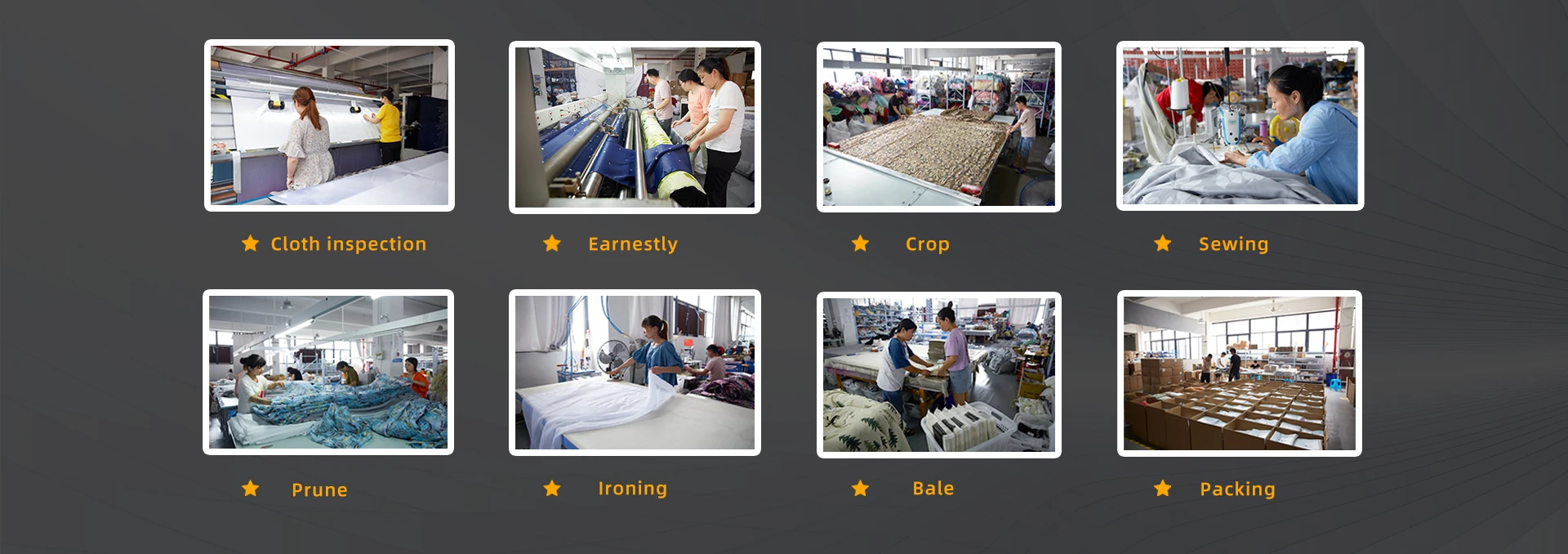
The manufacturing process involves several steps, each contributing to the overall cost:
Cutting and Sewing
Automated cutting machines can process large volumes of fabric efficiently, costing $0.10-$0.30 per curtain. Sewing costs depend on the complexity of the design, ranging from $0.20-$0.80 per curtain.
Printing
Printing costs vary based on the technique and complexity of the design:
- Digital printing: $0.30-$1.50 per curtain, suitable for complex designs and small batches.
- Screen printing: $0.20-$0.80 per curtain, ideal for large volumes and simple designs.
- Rotogravure printing: $0.15-$0.50 per curtain, used for high-volume production with consistent quality.
Finishing Touches
Adding grommets, weights, and other finishing touches costs $0.15-$0.50 per curtain. These elements enhance the functionality and durability of the shower curtain.
3. Labor Costs
Labor costs vary significantly by region:
- China: $0.50-$1.50 per curtain
- India: $0.40-$1.20 per curtain
- Vietnam: $0.60-$1.80 per curtain
- United States: $3.00-$8.00 per curtain
- Europe: $4.00-$10.00 per curtain
Automation can reduce labor costs by 30-50% but requires significant upfront investment in machinery.
4. Overhead Expenses
Overhead costs include:
- Factory rent: $0.10-$0.50 per curtain
- Utilities: $0.05-$0.20 per curtain
- Equipment maintenance: $0.05-$0.20 per curtain
- Quality control: $0.10-$0.30 per curtain
- Administrative costs: $0.15-$0.50 per curtain
5. Packaging and Shipping
Packaging costs $0.10-$0.50 per curtain, depending on the type of packaging used. Shipping costs vary based on destination and volume, ranging from $0.20-$2.00 per curtain for international shipping.
Cost Breakdown Examples
Let's look at specific examples to understand the total manufacturing cost of different types of shower curtains:
Example 1: Basic Polyester Shower Curtain
- Polyester fabric: $1.00
- Cutting and sewing: $0.30
- Screen printing (simple design): $0.30
- Grommets and weights: $0.20
- Labor (China): $0.80
- Overhead: $0.40
- Packaging: $0.20
- Total: $3.20 per curtain
Example 2: Premium Cotton Shower Curtain
- Cotton fabric: $4.00
- Cutting and sewing: $0.50
- Digital printing (complex design): $1.00
- Grommets and weights: $0.30
- Labor (China): $1.00
- Overhead: $0.50
- Packaging: $0.30
- Total: $7.60 per curtain
Example 3: Eco-Friendly PEVA Shower Curtain
- PEVA fabric: $1.50
- Cutting and welding (PEVA uses welding instead of sewing): $0.40
- Digital printing: $0.80
- Grommets and weights: $0.30
- Labor (China): $0.90
- Overhead: $0.40
- Packaging: $0.30
- Total: $4.60 per curtain
How to Reduce Manufacturing Costs
Businesses can implement several strategies to reduce shower curtain manufacturing costs:
1. Optimize Material Usage
- Use fabric efficiently to minimize waste
- Negotiate bulk discounts with material suppliers
- Consider alternative materials that offer better cost-performance
2. Improve Production Efficiency
- Invest in automated machinery to reduce labor costs
- Streamline production processes to minimize downtime
- Implement lean manufacturing principles
3. Optimize Supply Chain
- Source materials from low-cost, reliable suppliers
- Optimize shipping routes and methods
- Reduce inventory holding costs
4. Simplify Designs
- Use simpler designs that require less printing and sewing
- Standardize sizes and styles to reduce setup costs
- Minimize the number of components used
Market Trends Affecting Shower Curtain Manufacturing Costs
Several market trends are impacting the cost of manufacturing shower curtains:
1. Rising Raw Material Prices
Global demand for polyester, vinyl, and other materials is increasing, driving up prices. Businesses must monitor commodity markets and adjust their pricing strategies accordingly.
2. Sustainability Requirements
Consumers are increasingly demanding eco-friendly products, which can be more expensive to produce. However, investing in sustainable materials can provide a competitive advantage and attract environmentally conscious consumers.
3. Automation and Technology
Advances in automation and digital printing technology are reducing production costs and enabling more complex designs. Businesses that adopt these technologies can improve efficiency and reduce labor costs.
4. Supply Chain Disruptions
Global supply chain disruptions, such as those caused by the COVID-19 pandemic, can increase costs and lead to delays. Businesses must develop resilient supply chains to mitigate these risks.
Conclusion
The cost to manufacture a shower curtain ranges from approximately $3.00 to $15.00 per unit, depending on the materials, design complexity, and production location. Understanding the breakdown of these costs is essential for businesses looking to enter the shower curtain market or optimize their existing production processes.
By carefully selecting materials, optimizing production processes, and implementing cost-saving strategies, businesses can manufacture high-quality shower curtains at competitive prices. Staying informed about market trends and technological advancements can also help businesses adapt to changing conditions and maintain profitability.
Whether you're a new entrepreneur looking to launch a shower curtain line or an established business seeking to reduce costs, a thorough understanding of manufacturing costs is crucial for success in this competitive market.