Finding the right curtain manufacturer is crucial for businesses looking to source high-quality products at competitive prices. Whether you're a retail brand, interior designer, or property developer, partnering with a reliable manufacturer can make all the difference in your business's success. This comprehensive guide will walk you through the steps to identify, vet, and partner with a curtain manufacturer that meets your specific needs.
Why Finding the Right Manufacturer Matters
Working with a reliable curtain manufacturer offers numerous benefits:
- Consistent product quality and reliability
- Competitive pricing and cost savings
- Customization options to meet specific requirements
- Reliable delivery times and supply chain management
- Access to industry expertise and design support
- Long-term partnership potential for growth
On the other hand, choosing the wrong manufacturer can lead to:
- Inconsistent product quality
- Delays in delivery
- Higher costs due to mistakes and rework
- Communication issues
- Limited customization options
- Reputational damage to your brand
Step 1: Define Your Requirements
Before you start searching for manufacturers, it's essential to clearly define your requirements. This will help you narrow down your options and find a manufacturer that can meet your specific needs.
Product Specifications
- Type of curtains: Sheer, blackout, thermal, decorative, etc.
- Materials: Polyester, cotton, linen, silk, vinyl, etc.
- Design requirements: Patterns, colors, prints, embroidery, etc.
- Size range: Standard sizes or custom measurements
- Special features: Grommets, tabs, tiebacks, liners, etc.
- Quality standards: Certifications, testing requirements, etc.
Order Details
- Order volume: Minimum order quantity (MOQ) requirements
- Frequency: One-time order or regular production
- Delivery timeline: Lead time requirements
- Budget: Cost per unit and total budget
- Packaging requirements: Individual packaging, branding, etc.
- Shipping method: International or domestic shipping, Incoterms, etc.
Manufacturer Capabilities
- Customization: Ability to produce custom designs
- Design support: In-house design team
- Technical expertise: Specialized production techniques
- Quality control: Inspection processes
- Scalability: Ability to handle growth in order volume
- Communication: Language capabilities, response time, etc.
Step 2: Research Potential Manufacturers
Once you've defined your requirements, you can start researching potential manufacturers. There are several ways to find reliable curtain manufacturers:
1. Online Directories and Platforms
- Alibaba: Largest global B2B platform with thousands of manufacturers
- Global Sources: Specializes in verified suppliers from Asia
- Thomasnet: US-based directory for industrial suppliers
- HKTDC: Hong Kong Trade Development Council for Asian manufacturers
- Made-in-China: Focus on Chinese manufacturers
2. Trade Shows and Exhibitions
- International Home Textiles Market (IHHS): Largest home textiles show in the US
- Heimtextil Frankfurt: Leading international trade fair for home and contract textiles
- Canton Fair: China's largest trade fair, featuring textile manufacturers
- Surtex: Surface design show for textiles and home decor
3. Industry Associations
- Home Fashion Products Association (HFPA): US-based association for home textile manufacturers
- American Home Furnishings Alliance (AHFA): Represents the home furnishings industry
- Textile Exchange: Global nonprofit for sustainable textiles
- International Window Coverings Association (IWCA): Focus on window treatments
4. Referrals and Recommendations
- Ask industry peers, suppliers, or business associates for recommendations
- Join industry forums and social media groups to ask for referrals
- Contact trade consultants or sourcing agents for expert advice
5. Google Search
- Use specific keywords like "reliable curtain manufacturer USA" or "custom blackout curtain supplier China"
- Check manufacturer websites for product catalogs and capabilities
- Read online reviews and testimonials from previous clients
Step 3: Evaluate and Vet Manufacturers
Once you've identified potential manufacturers, it's time to evaluate and vet them to find the most reliable partner. Here's how:
1. Check Company Background
- Establishment year: Look for manufacturers with at least 3-5 years of experience
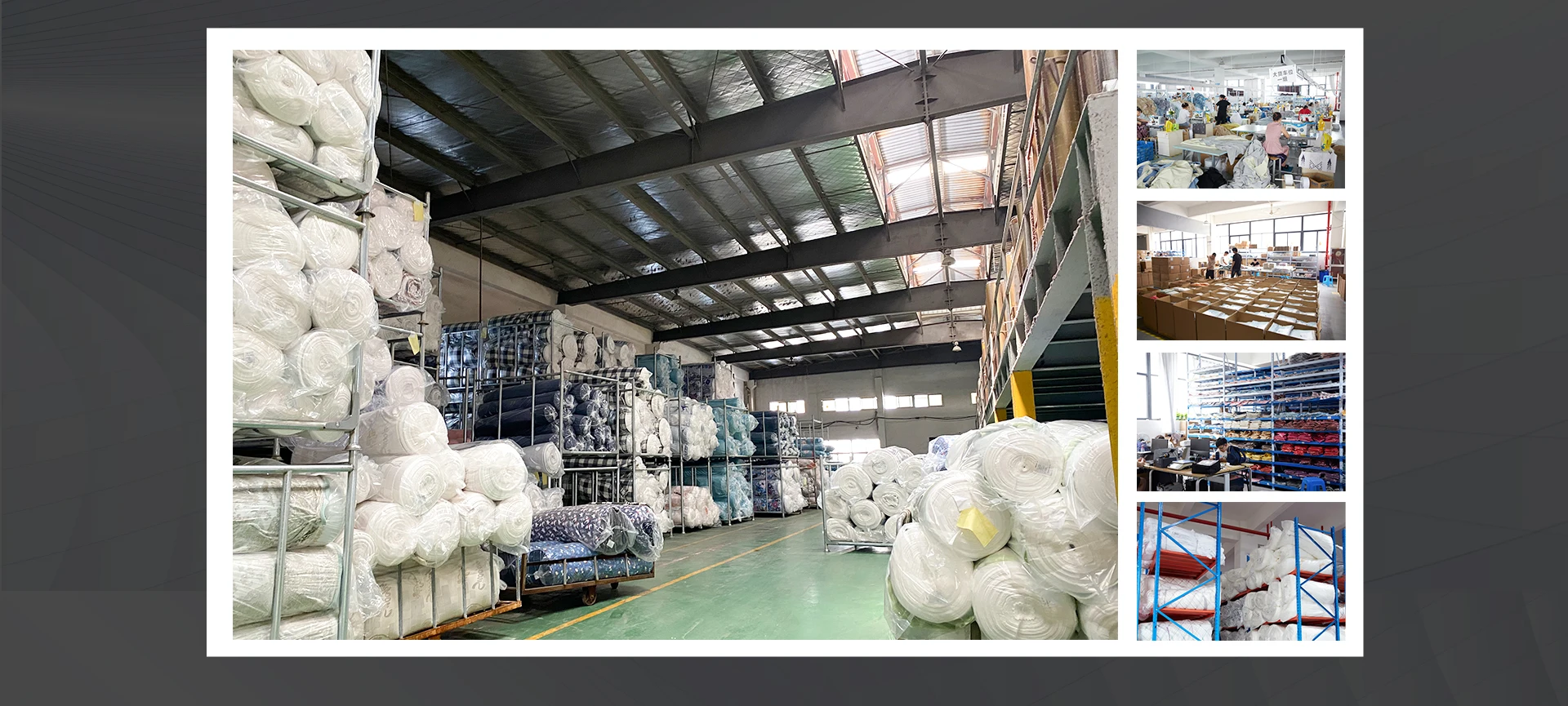
- Factory size and location: Visit the factory if possible or request a virtual tour
- Certifications: Check for ISO, OEKO-TEX, GOTS, or other relevant certifications
- Client portfolio: Ask for references from similar clients
- Online presence: Check their website, social media, and online reviews
2. Request Samples
- Order product samples to evaluate quality, materials, and craftsmanship
- Test samples for durability, functionality, and appearance
- Compare samples from multiple manufacturers
- Request custom samples if you have specific design requirements
3. Assess Manufacturing Capabilities
- Ask about production capacity and lead times
- Inquire about their machinery and technology
- Check if they can handle your volume requirements
- Ask about their quality control processes
- Inquire about their ability to scale production if needed
4. Evaluate Communication and Responsiveness
- Test their response time to emails and inquiries
- Assess their English proficiency if working with international manufacturers
- Evaluate their willingness to answer questions and provide information
- Check if they assign a dedicated account manager
5. Review Pricing and Terms
- Request detailed pricing quotes including all costs
- Compare pricing from multiple manufacturers
- Review payment terms and conditions
- Inquire about MOQ requirements
- Check their return and refund policies
6. Verify References
- Ask for at least 3-5 client references
- Contact references to ask about their experience
- Ask specific questions about quality, delivery, communication, and reliability
- Check for any red flags or negative feedback
Step 4: Visit the Factory (If Possible)
If you're considering a long-term partnership, especially with an international manufacturer, it's highly recommended to visit their factory. This allows you to:
- See their production facilities and machinery firsthand
- Meet the team and assess their professionalism
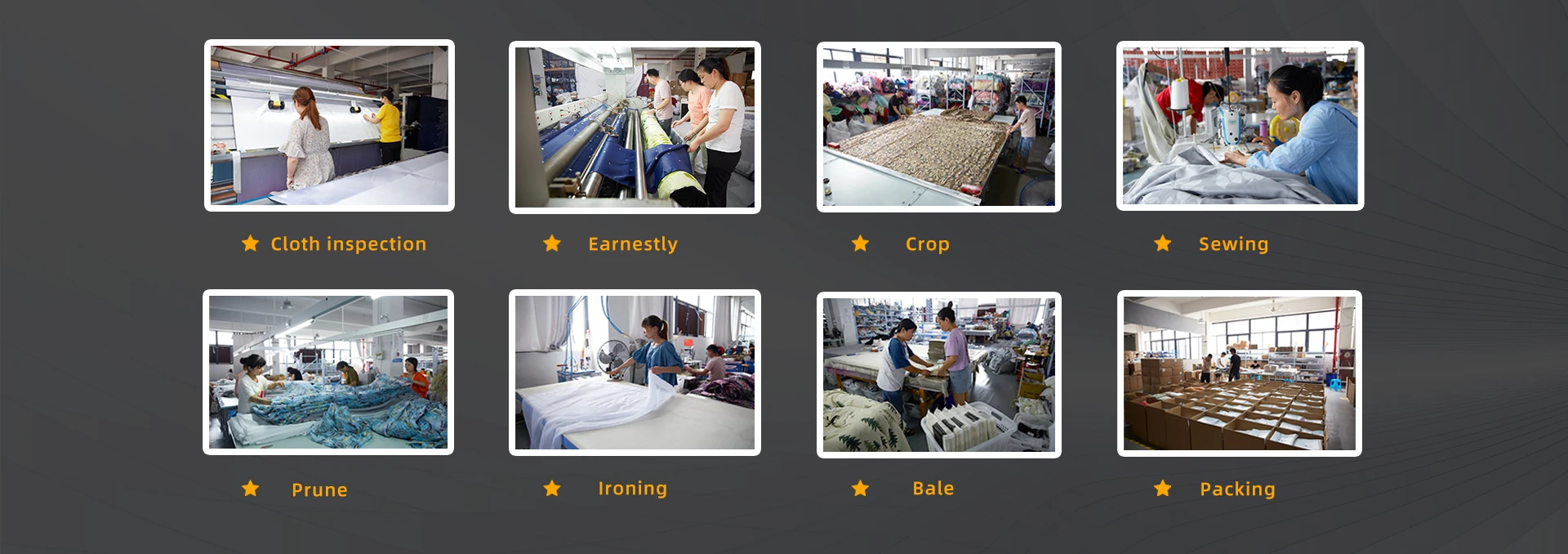
- Observe their production processes and quality control measures
- Verify their production capacity and capabilities
- Build a stronger relationship with the manufacturer
If an in-person visit isn't feasible, request a virtual tour via video call. This can still provide valuable insights into their operations.
Step 5: Start with a Small Test Order
Before committing to a large order, start with a small test order. This allows you to:
- Evaluate the manufacturer's performance in a real-world scenario
- Test their ability to meet your quality standards
- Assess their delivery times and communication
- Identify any potential issues before scaling up
- Build trust and confidence in the partnership
Step 6: Establish a Long-Term Partnership
Once you've found a reliable manufacturer and completed a successful test order, you can establish a long-term partnership. Here's how to maintain a strong relationship:
Clear Communication
- Establish regular communication channels
- Set clear expectations and deadlines
- Provide detailed specifications and feedback
- Address issues promptly and professionally
Build Trust
- Honor your commitments and payment terms
- Provide constructive feedback
- Celebrate successes and milestones together
- Consider exclusive partnership opportunities
Continuous Improvement
- Collaborate on product improvements and innovations
- Explore cost-saving opportunities together
- Stay updated on industry trends and new technologies
- Regularly review performance and set new goals
Common Red Flags to Watch Out For
When evaluating manufacturers, be alert to these common red flags:
- Unrealistically low pricing
- Refusal to provide samples or references
- Poor communication or slow response times
- Vague or inconsistent information
- Pressure to make quick decisions
- Negative reviews or feedback from clients
- Lack of transparency about their operations
- Unwillingness to sign a formal contract
Conclusion
Finding a reliable curtain manufacturer requires careful research, evaluation, and due diligence. By following these steps, you can identify a manufacturer that meets your specific requirements, delivers consistent quality, and provides excellent service.
Remember that building a strong partnership takes time and effort from both sides. By establishing clear communication, setting realistic expectations, and maintaining trust, you can develop a long-term relationship that benefits both your business and the manufacturer.
Whether you're sourcing curtains for your retail store, interior design projects, or property development, working with the right manufacturer is essential for success. Take the time to find a reliable partner, and you'll reap the rewards for years to come.